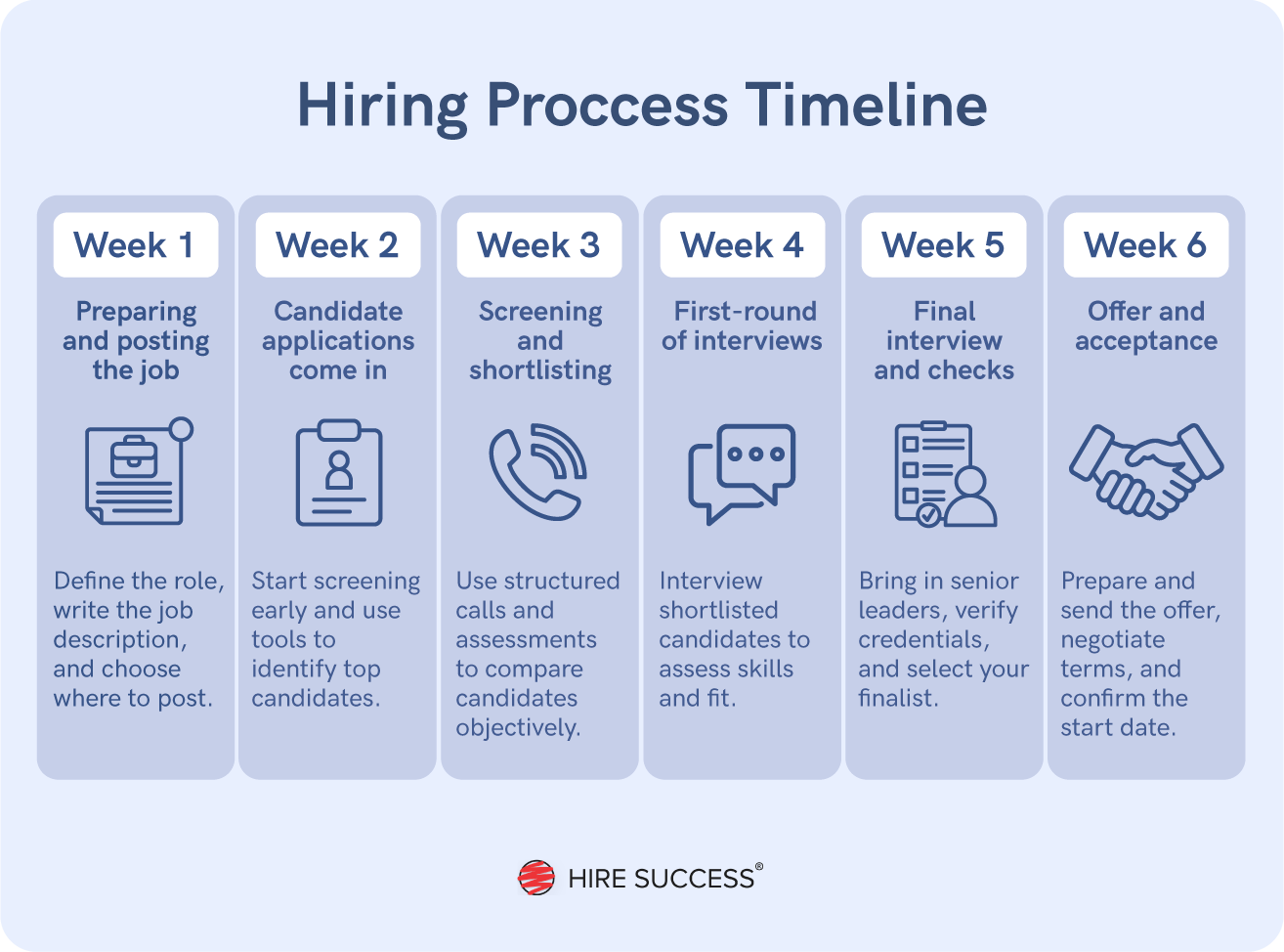
Standard Timelines for Active Job Postings
Depending on the complexity of the position, employers adjust their active listing windows accordingly to balance applicant quality with administrative workload:
1. High-Volume or Entry-Level Roles (14 to 30 Days)
Entry-level positions, retail roles, customer support jobs, and administrative positions attract exceptionally high application volumes within the first few days of going live. Keeping these posts active for 2 to 4 weeks provides more than enough qualified candidates to fill interview schedules without overwhelming recruiters with thousands of duplicate resumes.
2. Specialized or Mid-Level Positions (30 to 45 Days)
Roles requiring specific software skills, technical expertise, or mid-level managerial experience take slightly longer to source. A standard 30- to 45-day window allows passive job seekers who are not actively searching every day to discover the opening, tailor their application materials, and submit a complete package.
3. Executive or Niche Hard-to-Fill Roles (60+ Days)
Director-level executives, specialized medical staff, and niche software architects often take months to recruit. These listings may stay active for 60 to 90 days or longer while internal talent acquisition teams actively headhunt prospective candidates, run multi-stage interview panels, and conduct executive background checks.
Why Do Job Postings Recirculate as "New"?
Many job seekers notice that the exact same job opening appears across major job boards week after week, refreshed as if it were newly created.
Employers and job platforms recirculate listings for several distinct operational reasons:
- Algorithmic Refreshing: Third-party job aggregators routinely auto-refresh older listings to bump them back to the top of candidate search feeds and increase platform engagement.
- Re-evaluating Candidate Pools: If the initial applicant pipeline didn't yield a strong cultural or technical match, hiring managers unpublish and repost the role with updated job descriptions or adjusted compensation ranges.
- Evergreen Hiring: Large enterprises that hire continuously for recurring positions (such as sales representatives, customer success agents, or software engineers) keep listings open permanently to build an ongoing candidate pool.
- Candidate Offer Drops: If a top candidate declines a job offer at the last minute or fails a background check, the hiring team re-lists the position immediately to restart recruitment.
To explore community discussions on why old listings continuously pop back up, read more on how long job postings stay up.
Cleaning Up Application Packets Before Submitting
When applying to roles that have been active for several weeks, candidate volume is usually high. Submitting a crisp, highly focused application package ensures your resume gets evaluated quickly by hiring teams.
- Trim Unnecessary Pages: If your application packet includes outdated portfolio samples, irrelevant writing clips, or blank trailing pages, use a web utility to remove pages from your file before uploading it to a corporate portal.
- Keep Applications Targeted: Customizing your PDF application packet by stripping out irrelevant pages ensures recruiters receive a concise, focused document that directly highlights your top achievements.
- Fix Awkward Page Spillovers: If a resume awkwardly spills over onto an extra page by just a line or two, using an online tool to remove pages or trim trailing sections restores a clean, executive look to your application.
Best Practices for Managing Active Job Postings
To maintain a strong employer brand and ensure a smooth recruitment process, employers and HR professionals should follow these key guidelines:
- Set Clear Application Windows: State explicit application deadlines in your job description so qualified candidates submit their materials promptly rather than delaying their submissions.
- Remove Filled Postings Promptly: As soon as an offer letter is accepted, take down public listings across all job boards to prevent wasting applicant time and recruiter effort.
- Communicate Timelines with Applicants: Automated confirmation emails that outline expected response times keep candidates informed and build a positive candidate experience.
- Keep Application Files Organized: Export candidate resumes as standardized PDFs for easy team evaluation across operating systems. If you need to fix formatting issues, adjust layout alignments, or review custom text edits on saved candidate records, learn how to change text in PDF seamlessly.
How Job Seekers Should Approach Older Postings
If you discover a job posting that has been active for more than 30 days, follow these strategic tips before applying:
- Verify Company Activity: Check the employer's official careers page to ensure the role is still listed and active on their primary ATS platform.
- Reach Out Directly: Connect with an internal recruiter or team lead on LinkedIn to express interest and confirm whether the team is still accepting new applications.
- Optimize Your PDF Resume: Tailor your experience to match key technical terms, run your file through utilities to remove pages if unnecessary clutter remains, and ensure your layout exports cleanly as a vector-based PDF.
Conclusion
A job posting should stay active long enough to build a diverse, qualified pool of talent—typically 30 to 45 days—without remaining stagnant for months. By actively monitoring application volumes, utilizing tools to remove pages to keep application packets concise, and closing completed requisitions promptly, both employers and candidates can maintain an efficient, respected hiring process!
Ready to remove pages?
Use our free online tool to process your files securely in high quality. No sign-up required.
Open remove pages Tool